-
Soffits as the Boundary Between Conditioned and Unconditioned Space
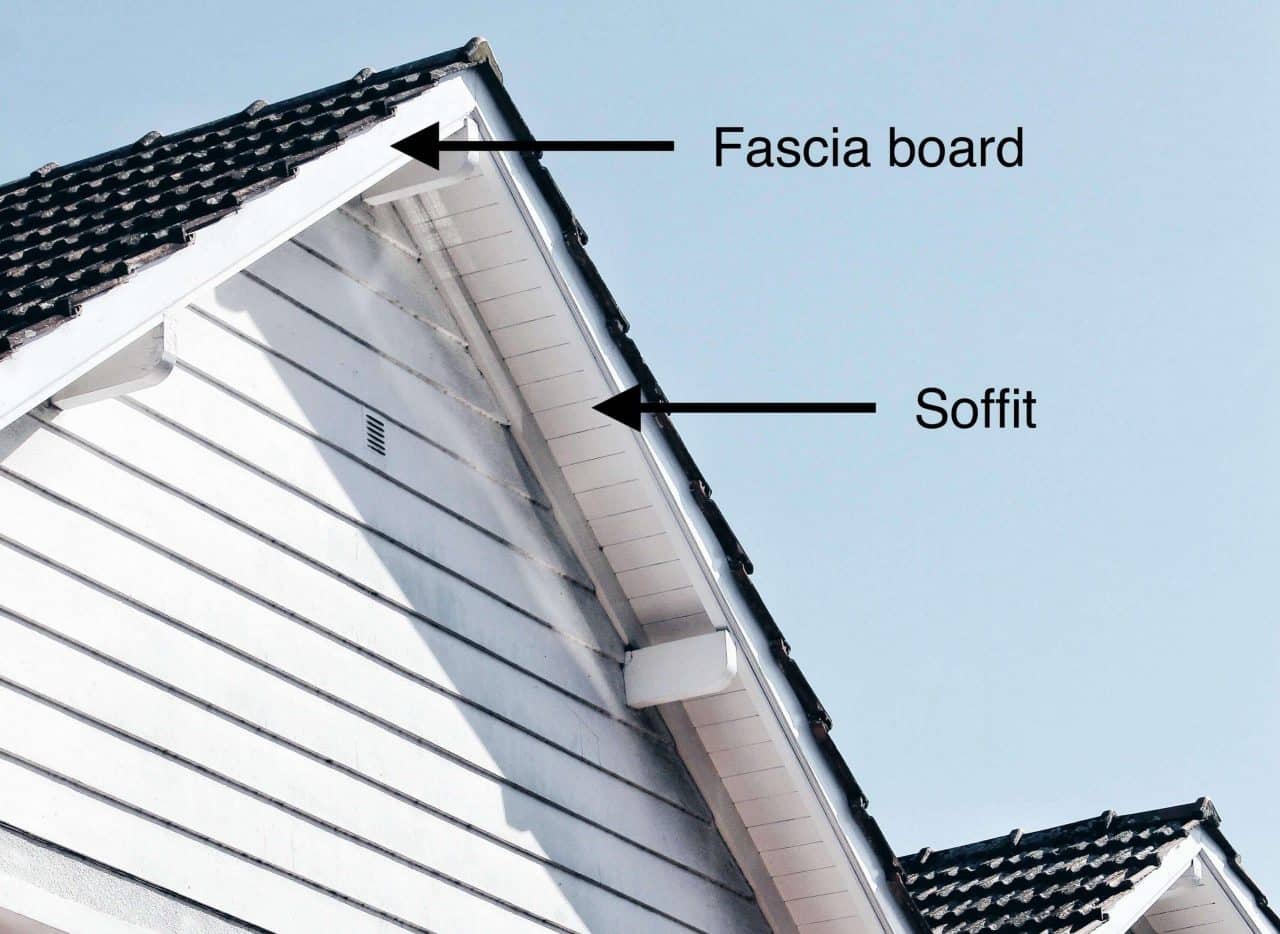
Soffits occupy a position that is easy to misunderstand because they are neither fully inside nor fully outside the building envelope. They sit at the transition between conditioned interior space and unconditioned attic and exterior environments. This boundary role is central to how soffits influence airflow, moisture movement, and pressure behavior. When soffits are treated…
-
Seasonal Soffit Stress in Cold and Mixed Climates
Soffits are exposed to year-round environmental forces, but their most significant stress occurs during seasonal transitions. In cold and mixed climates, the shift between winter, summer, and shoulder seasons repeatedly pushes soffit systems through expansion, contraction, moisture loading, and pressure reversal. Over time, these cycles shape predictable failure patterns. Seasonal soffit stress is cumulative. The…
-
Attic Insulation Alone Cannot Fix Soffit-Related Problems
Attic insulation is often treated as a universal solution. When condensation appears, ice dams form, or energy efficiency declines, adding insulation feels logical and measurable. In soffit-related failures, insulation frequently improves one metric while worsening the underlying system behavior. This is because soffit performance is governed by airflow, pressure, and drying, not insulation value alone.…
-
Ice Damming and Winter Condensation Often Begin at the Soffit
Ice damming and winter condensation are typically framed as insulation or roofing problems. While those factors matter, the earliest conditions that allow these issues to form often develop at the soffit. This is not because soffits create moisture, but because they sit at the point where temperature, airflow, and pressure interact most aggressively during cold…
-
Why Painting, Sealing, or Patching Soffits Often Makes Problems Worse
When soffit problems appear, the instinctive response is to seal them off. Paint is applied, seams are caulked, gaps are patched, and panels are re-secured. These actions feel preventative and responsible. In many cases, they accelerate failure. This is not because painting or sealing is inherently wrong. It is because soffits operate at a boundary…
-
Why Vinyl, Aluminum, and Wood Soffits Fail in Different Ways
Soffit failures are often discussed as though material choice is secondary to installation quality. While workmanship matters, the material itself largely determines how a soffit will fail, where it will fail first, and what symptoms appear before visible damage occurs. Vinyl, aluminum, and wood behave very differently under stress. Understanding those differences explains why similar…
-
Why Corners and Roofline Transitions Fail Before Flat Soffit Runs
Soffit failures are rarely uniform. Damage, separation, and wildlife entry almost always appear first at corners, returns, and roofline transitions—long before flat soffit runs show visible stress. This pattern is consistent across materials, climates, and construction eras. The reason is not workmanship alone. It is geometry. Corners concentrate forces. Where geometry changes, systems behave differently.…
-
Why Perforated Soffits Increase Wildlife Pressure at the Roofline
Perforated soffits are commonly installed to support attic ventilation. From a distance, they appear practical and unobtrusive. Yet they are also one of the most frequently targeted elements of the roofline by wildlife. This is not coincidence, nor is it primarily about animal persistence or intelligence. It is about how perforation interacts with airflow, pressure,…
-
Why Soffit Venting Often Exists but Does Not Actually Vent
Many homes technically have vented soffits. Perforated panels are visible from the ground, ventilation is assumed to be present, and the roofline appears compliant. Yet the attic behaves as if intake air is restricted or absent. Moisture accumulates, temperatures spike, and seasonal problems persist. This contradiction is common because the presence of vented soffit panels…
-
Why Soffit Failures Are Often Misdiagnosed as Roof or Attic Problems
When something goes wrong at the roofline, the soffit is rarely the first suspect. Homeowners notice condensation in the attic, ice building along the eaves, peeling paint, or animals appearing inside the structure. Attention turns upward or inward—to shingles, insulation, or vents—while the soffit is treated as incidental. This pattern of misdiagnosis is not accidental.…